

2026-08-04
Exploring 40SparklingCrown: A Game of Strategy and Chance
An in-depth look at 40SparklingCrown, a captivating game blending strategy and chance with current gaming trends.
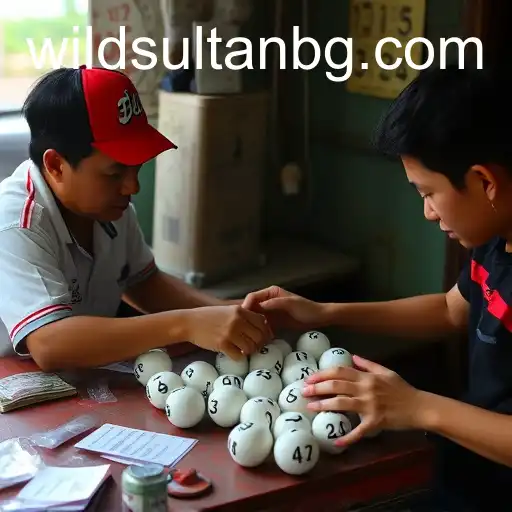
The phenomenon of illegal gambling is not new to many parts of the world, and in the Philippines, jueteng dominates this clandestine landscape. Originating from the Spanish word "jugar," which means to play, jueteng has become ingrained in various communities despite efforts to eradicate it. The game involves betting on numbers and has captured the fascination of many due to its simplicity and the allure of quick money.
Jueteng is more than just a game; it is a cultural phenomenon with deep roots in Filipino society. Its history spans numerous decades, and it has become embedded in local traditions and practices. The game's structure revolves around selecting a pair of numbers ranging from 1 to 37. Betting is typically placed with a cobrador, or collector, who works under a cabecilla, the operator managing several area collectors.
The process begins with bettors selecting their number combinations, akin to playing the lottery. After placing the bets, the draw is conducted using balls typically spun in a small drum, similar to a bingo setup. Winners are determined based on the correct number combination drawn, receiving a payout from the community pool generated from the collective bets.
A key attraction of jueteng is its accessibility and low entry barrier. Bets can be as minimal as one peso, making it affordable for a wide range of socio-economic classes. Furthermore, its clandestine nature adds a layer of excitement and rebellion against legal norms, which appeals to many individuals.
Many participants view jueteng not as a crime but as a livelihood, with entire families depending on it for their daily income. Cobradores and cabecillas, who run the operations, often consider it a legitimate employment opportunity, filling the unemployment gaps prevalent in many regions.
The persistence of jueteng reveals the larger socio-economic gaps within the country. In areas where poverty looms large, the promise of winning significant money can be too tempting to resist. Economic hardship drives more people to partake in such gambling practices, seeking a lifeline that seems more achievable than traditional employment.
Despite being illegal, the sustenance of jueteng is often attributed to the socio-political dynamics within the Philippines. It is whispered among locals that jueteng thrives under the protection of local officials. Allegations of politicians and law enforcement receiving bribes to turn a blind eye are widespread, reinforcing a cycle of corruption.
Jueteng's influence extends to Philippine politics where gambling lords are known to fund electoral campaigns. In return, these politicians ensure the continued operation of the enterprise, demonstrating a complex interplay between politics and illegal gambling.
Through the years, several administrations have promised to eliminate jueteng, recognizing its adverse effects on society and governance. Numerous raids, arrests, and legislative measures have been executed to crack down on its operations. Despite these actions, the game remains resilient, continuously adapting and evolving to avoid law enforcement interventions.
Efforts have also been made to introduce legal alternatives, such as the Philippine Charity Sweepstakes Office (PCSO) lottery, to dissuade participation in illegal gambling. However, the effectiveness of these initiatives remains questionable as many still favor the freedom and immediacy that jueteng provides.
The ramifications of jueteng are not confined to the financial sector; its social impact is just as significant. Families suffer due to excessive gambling, where money meant for essentials is instead gambled away with the hope of striking it rich. This aspect often leads to social issues such as domestic disputes and education neglect.
In small communities, the presence of jueteng can lead to divisions. Some see it as a vice that needs to be eradicated, while others defend it as a necessary evil. This division can polarize neighborhoods, straining relationships among residents.
The future of jueteng is uncertain but unlikely to be eradicated in the near future. Its deeply rooted presence in society poses a considerable challenge for policymakers and law enforcement. Transformation may only be possible through comprehensive socio-economic reforms that address the underlying causes driving people to partake in illegal gambling.
As long as poverty prevails and the distribution of resources remains unequal, the lure of jueteng will continue to entice those in need of financial relief. The complexity and tradition surrounding it require understanding and nuanced approaches that extend beyond mere law enforcement to the very structure of society.
An in-depth look at 40SparklingCrown, a captivating game blending strategy and chance with current gaming trends.

Discover the intriguing world of DevilFire, a fantasy strategy game merging mythical elements with modern gaming mechanics.

Dive into the captivating universe of ElementalLinkWater, a game that blends strategy, creativity, and the mystical power of water elements to create an unforgettable journey.